
New to DocTap? Get £5 off
Join our newsletter and get £5 off your first booking.
Thanks — we've received your details.
If there's a next step for you, we'll send it by email.
Create your DocTap account with this email address to claim your £5 off. Offer available to new patients only. Unsubscribe whenever you like.
Sexually Transmitted Shigella: Why GP-Led STI Testing Matters
A new UK study has highlighted the growing spread of sexually transmitted Shigella. The infection can look like food poisoning, but the right stool and STI tests depend on your symptoms, exposure and clinical history.
Written by DocTap Staff
Published
A new study led by the University of Cambridge and the UK Health Security Agency has drawn attention to Shigella infections spreading through sexual contact in the UK.
The researchers found that sexually transmitted forms of Shigella were spreading more rapidly and across greater distances than strains linked with other routes of infection. They were also more likely to be resistant to clinically relevant antibiotics.
Shigella is sometimes described in headlines as a “sexually transmitted stomach bug” or “sexually transmitted diarrhoea”. However, it is important to understand what that means.
Shigella is a bacterial gut infection. It is not included in a standard STI screen, but it can be passed on during sexual contact. Its symptoms may resemble food poisoning, traveller’s diarrhoea or another form of gastroenteritis.
That is why the right starting point is not always choosing a test yourself. If you have gastrointestinal symptoms following possible sexual exposure, a GP can review your symptoms and history, advise which stool tests may be appropriate and discuss whether you should also have a broader sexual health check.
Why this matters
Shigella can cause anything from a relatively mild illness to severe diarrhoea, stomach cramps and fever. In some cases, hospital assessment or treatment may be required.
The current UK concern predominantly involves transmission among gay, bisexual and other men who have sex with men. UK surveillance recorded 2,560 potentially sexually transmitted Shigella diagnoses in England during 2025, up from 2,052 in 2023. More than half of the 2025 diagnoses were recorded in London.
Antibiotic resistance is another concern. The latest research found that around 70% of sexually transmitted Shigella strains were resistant to at least one clinically relevant antibiotic. This does not mean that every infection needs antibiotics or cannot be treated. It does mean that correct diagnosis and appropriate clinical advice matter.
Patients may wonder:
- Can Shigella really be passed on through sex?
- How is it different from food poisoning?
- What symptoms should I look out for?
- Is Shigella included in a normal STI test?
- Do I need a stool test?
- Should I have a full sexual health check?
- Can I be tested if I do not have symptoms?
- How quickly will my STI results be available?
- What happens if a test is positive?
The answer depends on your symptoms, recent contact, travel history and the infections that need to be considered. This is why GP-led assessment can be particularly useful.
What is Shigella?
Shigella is a group of bacteria that can infect the bowel and cause an illness called shigellosis. More severe illness involving bloody diarrhoea is sometimes called dysentery.
The bacteria are found in the faeces of someone who is infected. Only a very small amount may be needed to pass the infection on.
Shigella can spread through:
- contaminated food or water
- unwashed hands
- contaminated surfaces
- close contact with someone who is infected
- sexual contact involving possible exposure to faecal matter
Not every Shigella infection is sexually transmitted. Travel, food, water and household transmission can also be relevant. A GP should therefore consider the full picture rather than assuming how someone acquired it.
How can Shigella be sexually transmitted?
Sexual transmission can occur when traces of infected faecal matter reach another person’s mouth.
This can happen through oral–anal contact or indirectly through hands, skin, condoms, sex toys or other items that have been in contact with the anal area.
The current increase has particularly affected sexual networks involving gay, bisexual and other men who have sex with men. However, Shigella is not restricted to any one gender, sexuality or type of relationship. Anyone exposed to the bacteria can become infected.
Discussing sexual contact can feel uncomfortable, particularly when the symptoms seem unrelated to sexual health. However, telling your doctor about relevant exposure helps them consider Shigella and request the appropriate tests.
What are the symptoms of Shigella?
Symptoms commonly include:
- diarrhoea, which may sometimes contain blood
- stomach cramps or abdominal pain
- fever
- nausea
- vomiting
- loss of appetite
- feeling generally unwell
Symptoms often begin within a few days of exposure, although the timing can vary. Some infections are mild, while others can cause severe or persistent illness.
The symptoms do not tell you how the infection was acquired. They also cannot reliably distinguish Shigella from Salmonella, Campylobacter, certain strains of E. coli, viral gastroenteritis or other causes of infectious diarrhoea.
Why Shigella can be mistaken for food poisoning
Diarrhoea, cramps, fever and vomiting are all symptoms people commonly associate with food poisoning or a routine stomach bug.
This can make sexually transmitted Shigella easy to overlook, especially if someone has not travelled and does not realise that a gastrointestinal infection can be acquired during sexual contact.
A clinician may ask about:
- when the symptoms began
- the frequency and severity of diarrhoea
- whether there is blood in the stool
- fever, vomiting or difficulty staying hydrated
- recent food and travel history
- whether anyone close to you has similar symptoms
- recent sexual contact
- existing medical conditions
- medicines you take
- any recent antibiotic treatment
These details can help determine which tests are appropriate and whether you need urgent medical advice.
Is Shigella included in a routine STI screen?
No. Shigella is not normally included in a standard STI screen.
Routine sexual health checks usually look for infections such as chlamydia, gonorrhoea, HIV and syphilis. Depending on the screen and individual risk, testing may also include hepatitis B, hepatitis C, trichomonas or other infections.
Shigella affects the gastrointestinal system and usually requires a stool test. This means someone may need two separate forms of investigation:
- stool testing for Shigella and other possible causes of infectious diarrhoea
- an STI screen based on their sexual exposure and individual risk
A negative standard STI screen would not rule out Shigella.
How is Shigella tested at DocTap?
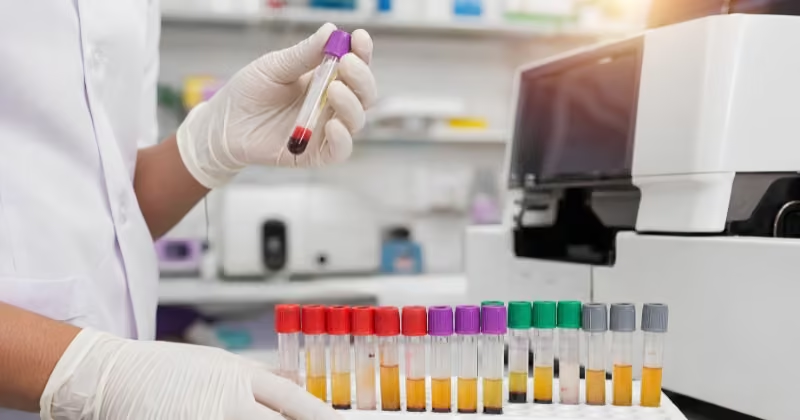
If your symptoms and recent history suggest a possible bacterial or parasitic gut infection, a DocTap GP can arrange an appropriate stool test.
Shigella is included within broader stool-testing options rather than being sold as a standalone STI test. Depending on the panel selected, testing can look for Shigella alongside other possible causes of gastrointestinal illness, including:
- Campylobacter
- Salmonella
- toxin-producing strains of E. coli
- Clostridioides difficile
- Cryptosporidium
- Giardia
- norovirus
- rotavirus
- other bacterial, viral or parasitic pathogens
The exact panel depends on your symptoms, clinical history and any relevant travel.
The sample required is stool. Testing can be arranged through any DocTap clinic following a GP consultation, with results typically available in around three working days. Turnaround times are estimates and may occasionally be longer if further laboratory investigation is needed.
You can view DocTap’s full range of private tests and current turnaround times online. Prices are not included here because test options and charges may change.
Why GP assessment matters
The symptoms of Shigella overlap with several other infections and gastrointestinal conditions.
A stool test that is too narrow may miss another possible cause. A very broad panel may not always be necessary. A routine STI screen alone will not diagnose Shigella.
During a private GP consultation, your doctor can consider:
- your symptoms and how severe they are
- when they started
- your risk of dehydration
- whether blood is present in your stool
- your recent food and travel history
- possible sexual exposure
- whether other people are unwell
- your existing health conditions
- whether you are at higher risk of complications
- which stool and sexual-health tests are appropriate
This helps avoid treating every case as routine food poisoning while also avoiding unnecessary tests.
Why a broader STI screen may be recommended
If Shigella may have been acquired through sexual contact, there may also have been exposure to other sexually transmitted infections.
That does not mean another STI is definitely present. It means that a broader sexual health check may be sensible based on the contact involved and when it occurred.
A GP may discuss testing for infections such as:
- chlamydia
- gonorrhoea
- HIV
- syphilis
- hepatitis B
- hepatitis C
- trichomonas
The right samples depend on the type of exposure. Testing may involve blood, urine or swabs, and the GP can advise whether genital, throat or rectal testing is relevant.
Each STI also has a window period. Testing too soon after exposure can produce a result before an infection is reliably detectable, so you may be advised to test at a particular time or repeat part of the screen later.
STI testing still matters when you have no symptoms
Shigella often causes noticeable gastrointestinal symptoms, but many common STIs can be completely symptomless.
Someone may feel well and still have chlamydia, gonorrhoea, HIV, syphilis or another infection. Symptoms may also be mild enough to miss.
Routine STI testing may be worth considering if:
- you have had sex without a condom with a new or casual partner
- you are starting a new relationship
- a partner has received a positive result
- you have several sexual partners
- you want reassurance after a possible exposure
- it has been some time since your last sexual health check
If you have no symptoms and know which test you need, selected DocTap clinics offer healthcare-assistant-led STI appointments that can be booked without a GP consultation.
If you have symptoms, possible Shigella, or are unsure which tests are appropriate, a GP-led appointment is the better starting point. DocTap’s current STI page distinguishes direct routine screening for people without symptoms from GP appointments for those with symptoms or who need clinical advice.
Which STI tests can return results within four hours?
At selected DocTap clinics with on-site laboratories, several commonly requested STI tests can return results within four hours.
Depending on the test or package selected, this can include:
- HIV
- syphilis
- chlamydia
- gonorrhoea
- trichomonas
- hepatitis B and C
Only tests specifically listed as having guaranteed four-hour results are covered by DocTap’s four-hour money-back guarantee. Other tests have their own published turnaround times.
Shigella stool testing is not a four-hour test and is not covered by that promise.
At clinics without an on-site laboratory, most standard STI results are returned by 6 pm on the next working day. Some more extensive or early-detection screens take longer. Check the private STI testing London page for the current test options, window periods and turnaround times.
What happens if a result is positive?
If Shigella is identified, treatment depends on the severity of your symptoms, your health and the laboratory findings.
Many people recover with rest, fluids and appropriate self-care. Antibiotics are not automatically needed for every infection, and increasing resistance means the choice of treatment must be made carefully.
Where clinically appropriate, DocTap can manage treatment and follow-up. Your doctor can explain:
- what the result means
- whether medication is needed
- how to reduce the risk of passing the infection on
- whether any additional tests are required
- whether a broader STI screen is recommended
- when you can return to work or normal activities
- when further or urgent medical assessment is needed
If another STI is identified, a doctor can explain the treatment or next steps and advise about partner notification where appropriate.
How can you reduce the risk of passing on Shigella?
Good hygiene is important because very small traces of infected faecal matter can transmit the bacteria.
Practical precautions include:
- washing your hands thoroughly with soap and water after using the toilet
- washing your hands before preparing or eating food
- cleaning toilets, taps and frequently touched bathroom surfaces
- not sharing towels
- not preparing food for other people while unwell
- washing hands and the genital and anal areas before and after sexual contact
- using condoms or suitable barriers
- changing condoms between different forms of sexual contact
- cleaning sex toys carefully and not sharing them
- avoiding sex while you are unwell
People diagnosed with Shigella should follow the individual advice given by their clinician or health protection team about when it is safe to resume sexual activity, prepare food for others or return to certain types of work.
When should you speak to a GP?
It is worth speaking to a GP if:
- you develop diarrhoea after possible sexual exposure
- your symptoms are persistent or worsening
- there is blood in your stool
- you have a fever or significant stomach cramps
- you have recently travelled
- a partner or close contact has been diagnosed with Shigella
- you are unsure whether you need stool testing, STI testing or both
- you have a weakened immune system or another condition that could increase your risk
- you need advice about treatment or preventing transmission
Tell the GP about any relevant sexual contact even if your symptoms feel more like food poisoning than an STI. This information can affect which tests the doctor requests.
When should you seek urgent medical help?
Do not wait for a routine appointment if you are severely unwell.
Seek urgent medical advice if you have:
- severe or rapidly worsening abdominal pain
- significant blood in your diarrhoea
- repeated vomiting or an inability to keep fluids down
- signs of dehydration, such as very little urine, severe dizziness or unusual drowsiness
- fainting, confusion or collapse
- a high fever with worsening symptoms
- severe symptoms alongside a weakened immune system
Contact NHS 111 for urgent advice. Go to A&E or call 999 if you believe there is an immediate threat to life.
How DocTap can help
DocTap offers confidential, GP-led sexual health appointments across London.
If you have gastrointestinal symptoms following possible sexual exposure, your GP can review your symptoms and history, assess how unwell you are and advise which tests are appropriate.
Where clinically indicated, this may include:
- broader stool PCR testing that includes Shigella
- testing for other bacterial, viral or parasitic causes of diarrhoea
- a private STI screen
- blood, urine or swab testing based on exposure
- treatment and clinical follow-up
- advice on preventing transmission
Shigella testing requires a separate stool sample and typically takes around three working days. It is not included in DocTap’s four-hour STI-testing guarantee.
For qualifying STI tests, four-hour results are available at selected clinics with on-site laboratories. People without symptoms can also book selected routine STI screens directly, while those with symptoms or uncertainty should begin with a GP.
Sexually transmitted infections do not always cause the symptoms people expect. Sometimes the concern may begin with diarrhoea rather than genital symptoms, while many common STIs cause no symptoms at all.
If you have symptoms, possible exposure or are unsure which tests you need, start with a GP-led sexual health consultation.