
New to DocTap? Get £5 off
Join our newsletter and get £5 off your first booking.
Thanks — we've received your details.
If there's a next step for you, we'll send it by email.
Create your DocTap account with this email address to claim your £5 off. Offer available to new patients only. Unsubscribe whenever you like.
Could flu-like symptoms be hepatitis A?
Hepatitis A can begin like flu. Learn the liver warning signs, when exposure needs advice and how hepatitis A IgM testing is used.
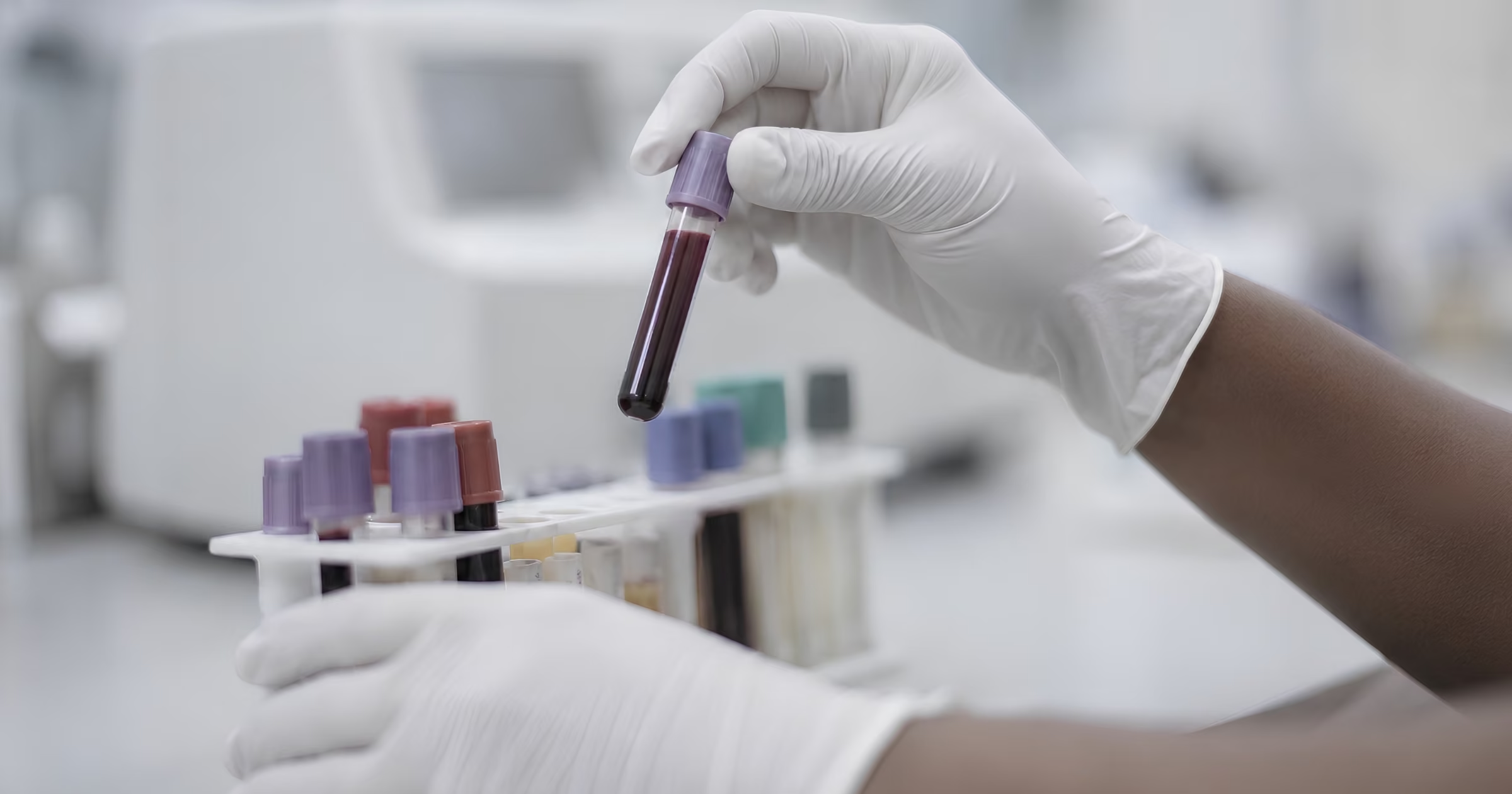

Hepatitis A can begin with fever, tiredness, headache and aching muscles, so the first few days may feel like flu. The difference is that hepatitis A affects the liver. Dark urine, pale stools, pain in the upper abdomen or yellowing of the skin or eyes make liver involvement more likely, but symptoms alone cannot confirm the cause.
A recent trip, a known contact or a public-health notification can also change what you should do next. Not every fever needs a hepatitis test, but possible exposure should not be ignored while you wait to see whether jaundice develops.
Hepatitis A symptoms to look out for
The NHS lists common hepatitis A symptoms including:
- a high temperature, tiredness, headache and muscle aches
- feeling sick, vomiting or loss of appetite
- pain in the upper part of the abdomen
- diarrhoea or constipation
- dark brown urine and unusually pale stools
- itchy skin or a raised rash
- yellowing of the skin or whites of the eyes, known as jaundice
Yellowing of the skin can be harder to see on brown or black skin, so check the whites of the eyes too. Most children, and some adults, have mild symptoms or no symptoms at all. A child can therefore look well after an exposure and still need the advice given by the school or public-health team.
Symptoms usually start several weeks after infection. Think back over recent travel, people you have stayed with, shared food and toilet facilities, and any notification from a school, nursery or public-health team.
When to contact a GP or NHS 111
Ask for an urgent GP appointment or contact NHS 111 if your skin or the whites of your eyes turn yellow. Jaundice can have several causes and needs prompt medical assessment. Do not arrange a routine blood test and wait for the result before seeking help.
Get urgent advice if you think you may have hepatitis A and you are pregnant, aged over 60 or have an existing liver condition. These groups may need closer assessment because the risk of complications can be higher.
Contact NHS 111 if vomiting means you cannot keep fluids down or you are passing much less urine than usual. Call 999 or go to A&E if someone becomes suddenly confused, is difficult to wake or is struggling to breathe. These are emergency warning signs, whatever the suspected cause.
If you have other possible hepatitis A symptoms without these warning signs, arrange a GP assessment. Mention travel, a known contact, a school letter and when the symptoms started.
What to do after possible exposure
If you have been told you are a close contact of someone with hepatitis A, do not wait for symptoms. Contact your NHS GP promptly and follow the instructions from the health-protection team. UKHSA guidance explains that vaccination may be offered after recent close contact, and some higher-risk people may also need immunoglobulin. Timing and eligibility depend on the exposure, age, health and vaccination history.
A school or nursery letter is not, by itself, an instruction for every family member to book a private blood test. Read the letter carefully, keep it available when asking for advice and follow the specific arrangements for that setting. If more than two weeks have passed since a possible exposure, still ask for advice rather than assuming there is nothing to do.
How hepatitis A is diagnosed
A GP will first ask when the symptoms began, when exposure may have happened, where you have travelled, whether you have been vaccinated and which medicines you take. They may examine your abdomen and look for jaundice or signs of dehydration.
If testing is appropriate, different blood tests answer different questions:
- Hepatitis A IgM looks for an antibody that usually indicates a recent infection. This is the most relevant specific test when current hepatitis A is suspected.
- Liver function tests measure substances released or processed by the liver. They can show that the liver is inflamed or under strain, but they do not identify hepatitis A by themselves.
- Hepatitis A immunity testing looks for evidence of protection from past infection or vaccination. It is a different question from investigating current symptoms.
Timing matters. A test taken too early may not settle the diagnosis, and a positive result may need confirmation or follow-up. Results should be interpreted alongside symptoms, exposure dates and liver tests rather than treated as a diagnosis in isolation.
DocTap's private GP care can assess symptoms and recommend the most appropriate test. The blood-testing service includes access to GP advice and interpretation, and the full list of blood tests and prices shows current availability. Samples can be taken at clinics across London; video GP appointments can be used for an initial assessment when an in-person examination or blood sample is not immediately required. For a child, check the sampling arrangements before attending.
What you can do while waiting for advice
Rest and keep drinking. If nausea makes this difficult, take small, frequent sips. Avoid alcohol, and ask a doctor or pharmacist which painkillers and doses are suitable because some medicines need extra caution when the liver may be affected.
Wash your hands thoroughly with soap and water after using the toilet or changing nappies, and before preparing or eating food. Do not prepare food or drink for other people if hepatitis A is suspected or confirmed.
If hepatitis A is confirmed, follow the advice you are given about staying away from work, school or nursery. NHS guidance says this is usually until seven days after jaundice begins, or seven days after symptoms begin if there is no jaundice. Follow any additional instructions from the health-protection team during an outbreak.
Most people recover without specific treatment within three to six months. Your follow-up plan should explain who will review the results, whether liver tests need repeating and what to do if symptoms worsen.
Hepatitis A testing
The test used for a suspected recent infection
If your symptoms or exposure history suggest hepatitis A, a GP may recommend a Hepatitis A (IgM) blood test. This looks for antibodies that usually point to a recent infection. Timing matters, so the result should be interpreted alongside your symptoms and, where appropriate, liver blood tests.
Concerned about hepatitis A symptoms?
A GP can assess your symptoms, discuss possible exposure and recommend the right blood test if one is needed. Urgent symptoms should be assessed through the NHS routes described above.
About this article
This article provides general health information and is not a substitute for individual medical advice or a diagnosis. If you are unsure what to do, contact NHS 111; call 999 in an emergency. DocTap is a private healthcare provider, and links to DocTap services are promotional and may lead to chargeable services.