
New to DocTap? Get £5 off
Join our newsletter and get £5 off your first booking.
Thanks — we've received your details.
If there's a next step for you, we'll send it by email.
Create your DocTap account with this email address to claim your £5 off. Offer available to new patients only. Unsubscribe whenever you like.
Diabetes symptoms and when to get tested
Type 2 diabetes can develop without obvious symptoms. Learn when testing may help, what HbA1c means and which symptoms need urgent medical care.
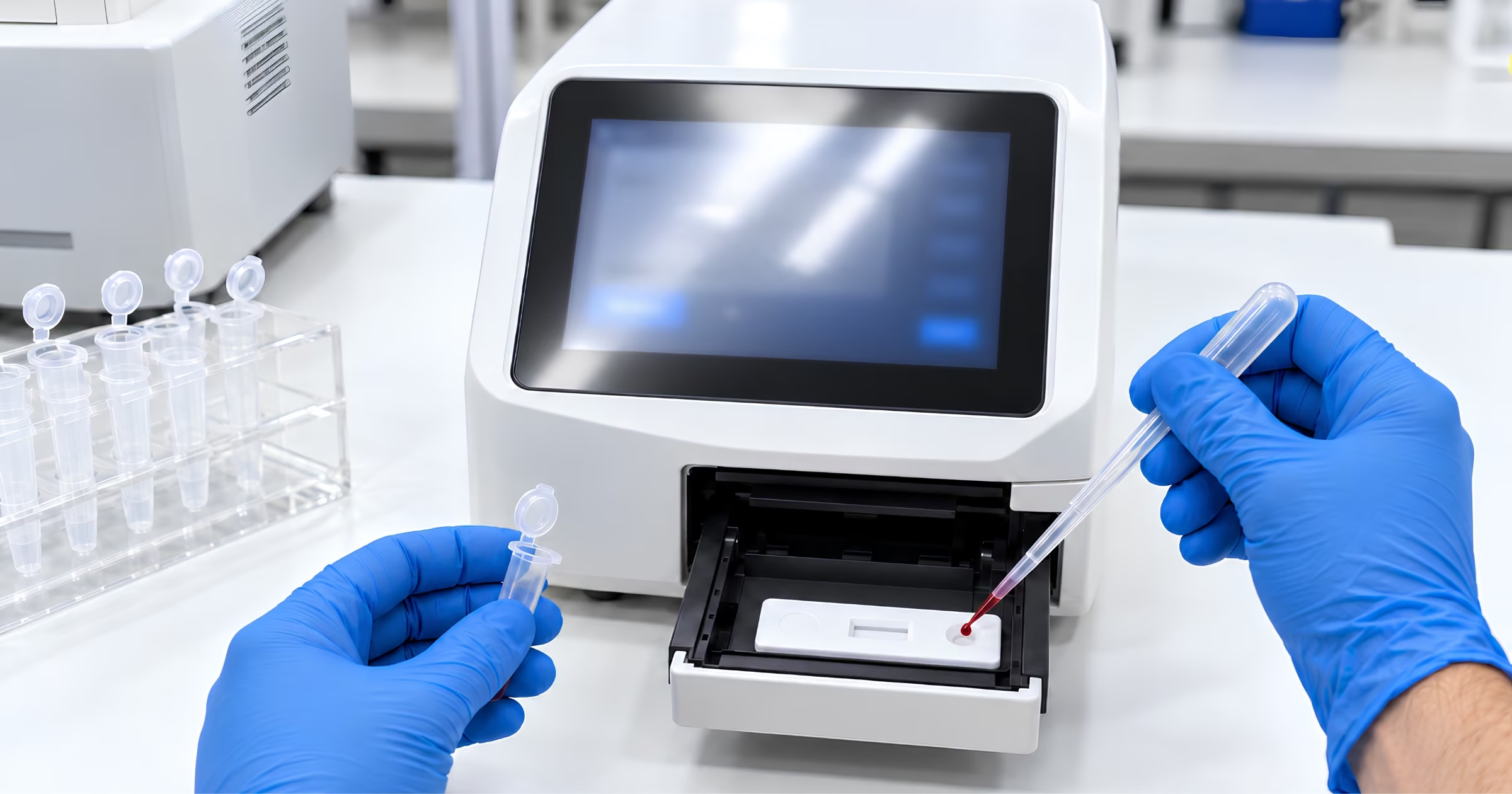

Diabetes can be quiet at first
Type 2 diabetes often develops gradually. Some people notice no clear change at all, so feeling well does not rule it out. Type 1 diabetes is different: symptoms can develop quickly and it can start at any age.
Diabetes means the amount of glucose, or sugar, in the blood is too high. A blood test can show whether your level is in the expected range, in a higher-risk range, or high enough to need further assessment. The right time to test depends on your symptoms, your personal risk and how quickly any changes have appeared.
Not every spell of tiredness, thirst or blurred vision is caused by diabetes. These symptoms have many possible explanations. Testing is useful because it replaces guesswork with a result that can be interpreted alongside the rest of your health.
Symptoms that can point to diabetes
Common symptoms include:
- feeling thirsty much of the time
- passing urine more often, especially at night
- feeling unusually tired
- losing weight without trying
- blurred vision
- cuts or wounds taking longer to heal
- repeated thrush or itching around the genitals
When glucose builds up in the blood, the kidneys try to remove more of it in urine. This can make you pass urine more often and leave you thirsty. Tiredness and weight loss can happen when the body cannot use glucose normally for energy.
One symptom on its own does not confirm diabetes. A change that persists, keeps returning or appears with other symptoms is a good reason to arrange a medical assessment. The NHS guidance on type 2 diabetes symptoms explains the signs and who is more likely to develop the condition.
Testing before symptoms appear
You can have type 2 diabetes without symptoms. Testing may be sensible when your background or medical history increases your risk, for example:
- a parent, brother or sister has type 2 diabetes
- you are living with overweight or obesity
- you have high blood pressure
- you previously had diabetes during pregnancy
- you have polycystic ovary syndrome
- you have previously had a raised blood sugar result
- you take medicines that can raise blood sugar, such as long-term steroid treatment
Age and ethnicity also affect risk. NHS guidance advises assessment from age 40 for white adults, or from age 25 for people from South Asian, Chinese, Black African or Black Caribbean backgrounds, particularly when other risk factors are present.
You do not need every item on this list before asking about testing. Equally, having a risk factor does not mean you have diabetes. A GP can look at the whole picture and advise whether a blood test is useful now, whether routine monitoring is enough, or whether another cause of your symptoms should be investigated.
HbA1c and glucose in plain English
HbA1c gives an estimate of your average blood sugar over roughly the previous eight to 12 weeks. It is commonly used to look for type 2 diabetes and a higher-risk state often called prediabetes. You can usually have an HbA1c test without fasting.
A glucose test measures the amount of sugar in your blood at that moment. It may be taken after fasting or without fasting, depending on the question the clinician is trying to answer. Do not skip food unless you have been specifically told to fast.
HbA1c is not the right diagnostic test in every situation. A clinician may choose a glucose-based test instead if symptoms have developed quickly, type 1 diabetes is possible, you are pregnant, or a recent blood transfusion, major blood loss, anaemia or certain inherited blood conditions could make HbA1c misleading.
This is why the name of a test matters less than the question it is being used to answer. A GP can advise whether you need HbA1c, glucose, both tests together or a different pathway. You can also see the wider range of private blood tests available.
Understanding HbA1c results
For non-pregnant adults being assessed for possible type 2 diabetes, results are commonly interpreted as follows:
- Below 42 mmol/mol is below the high-risk HbA1c range. It does not automatically explain away symptoms or remove every future risk.
- 42 to 47 mmol/mol means blood sugar is higher than usual and the risk of developing type 2 diabetes is increased. This is often called prediabetes or non-diabetic hyperglycaemia.
- 48 mmol/mol or above is in the diabetes range. If you do not have symptoms, another test is usually needed to confirm the diagnosis.
These cut-offs are for diagnosis, not a personal treatment target for someone who already has diabetes. The NICE guidance on HbA1c and diabetes risk describes the same diagnostic threshold and higher-risk range.
A result is most useful when it comes with a plan. That may be reassurance, a repeat test, support with food and physical activity, or further assessment. If diabetes is confirmed, a cholesterol blood test and kidney function test may form part of wider monitoring, but neither test diagnoses diabetes.
When symptoms need urgent help
Do not wait for a routine screening appointment if thirst, frequent urination or unexplained weight loss have developed quickly. This is particularly important for children and young people, but type 1 diabetes can begin at any age. Seek urgent same-day medical advice so that blood glucose and, if needed, ketones can be checked.
Call 999 or go to A&E if these symptoms occur with vomiting or stomach pain, deep or fast breathing, breath that smells fruity, marked drowsiness or confusion. These can be signs of diabetic ketoacidosis, a life-threatening emergency. Do not drive yourself to A&E.
Sudden changes in vision also need their own assessment. New flashes, a sudden increase in floaters, or a dark curtain or shadow across your sight should be assessed urgently by an optician or through NHS 111 rather than waiting for a diabetes blood test.
Choosing a test and planning follow-up
You can discuss symptoms or personal risk with your NHS GP. Eligible adults aged 40 to 74 in England may also be offered an NHS Health Check, which includes an assessment of diabetes risk. New symptoms should still be assessed rather than left until a routine invitation arrives.
If you choose private testing, start with the clinical question rather than the largest panel. DocTap offers GP-led diabetes blood tests, including HbA1c, glucose and profiles that combine the two. During a blood test appointment, the GP can review your symptoms, medical history, medicines and previous results before confirming which test is appropriate. The sample can usually be taken during the same visit.
Results should not sit in an inbox without context. Make sure you know who will explain the result, whether it needs repeating and what happens next. If a private test suggests diabetes or increased risk, keep a copy of the report and share it with your NHS GP so that ongoing care can be coordinated.
Broader health screens can be useful for some people, but more tests are not automatically better. Choose the assessment that answers your question and ask what is included before booking. Blood-test appointments are available at DocTap clinics across London.
Diabetes blood tests
Tests a GP may recommend
DocTap offers the tests below. Your GP can advise which option fits your symptoms, risk factors, medical history and previous results. You may need one test, a combined profile or a different pathway; more testing is not automatically better.
Glucose
HbA1c
Get clear advice on diabetes testing
Book a GP blood test appointment to discuss symptoms, risk factors or a previous result. Your GP can recommend the right test and explain what happens next.
About this article
This article provides general health information and is not a substitute for individual medical advice or a diagnosis. If you are unsure what to do, contact NHS 111; call 999 in an emergency. DocTap is a private healthcare provider, and links to DocTap services are promotional and may lead to chargeable services.