
Private Hepatitis C Testing in London
Confidential hepatitis C antibody testing across London, with 4-hour results at selected clinics and GP support when needed.
Book a GP blood test appointment if you want advice on whether hepatitis C testing is right for you, or if you want your result reviewed in context.

New to DocTap? Get £5 off
Join our newsletter and get £5 off your first booking.
Thanks — we've received your details.
If there's a next step for you, we'll send it by email.
Create your DocTap account with this email address to claim your £5 off. Offer available to new patients only. Unsubscribe whenever you like.
Test options
Hepatitis C blood tests
Browse common hepatitis C tests available at DocTap. To book a test, book a GP blood test appointment and your GP will arrange the most appropriate tests during your visit.
Hepatitis B surface antigen
Hepatitis C antibody
From booking to results
Your appointment, step by step
Book a GP blood test appointment, have your sample taken during the consultation and receive your result securely.
- 1Book onlineChoose a DocTap clinic and book a GP blood test appointment. Your GP will confirm the right hepatitis C test for your situation.
- 2Check timingYour GP will check whether the timing is appropriate. The standard hepatitis C antibody screen is usually offered from 45 days after exposure.
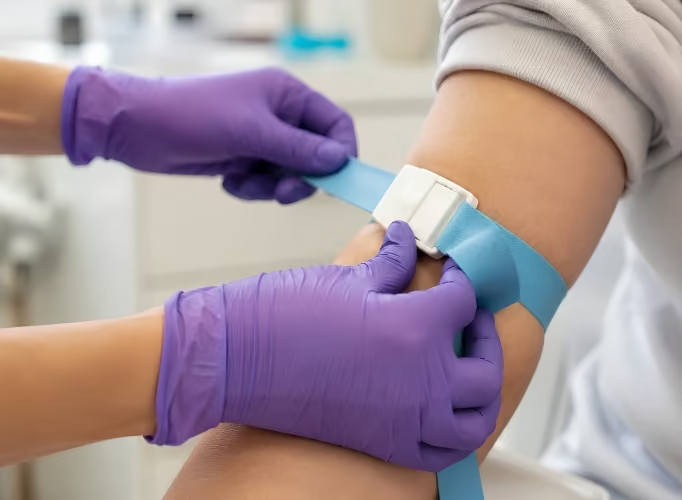
- 3Have your blood sample takenYour blood sample is taken during your GP appointment. You usually do not need to fast.
- 4Receive your result securelyYour result is added securely to your DocTap account. Reactive results need GP follow-up and may require further tests or referral.
Testing markers
What does a hepatitis C antibody test check?
The standard screen checks for antibodies, and reactive results usually need follow-up testing.
What does a reactive antibody result mean?
The test looks for antibodies produced by your immune system in response to the hepatitis C virus.
A reactive hepatitis C antibody result means that you have been exposed to the virus at some point.
It does not by itself show whether the infection is currently active, your immune system cleared the infection naturally, previous treatment cleared the infection or the screening result needs to be confirmed.
A hepatitis C RNA or PCR test is normally needed to find out whether the virus is currently present.
What is a hepatitis C RNA test?
A hepatitis C RNA test looks for genetic material from the virus itself.
It may be used after a reactive antibody result, where an exposure may be too recent for antibodies to be detectable, where the immune response may be reduced, during or after hepatitis C treatment, or where reinfection is suspected.
Book a private GP appointment if the possible exposure was recent or you have received a reactive antibody result.
Does the test include hepatitis B?
Yes. DocTap’s rapid hepatitis test also checks for hepatitis B surface antigen.
Read more about private hepatitis B testing.
When to test
Symptoms, transmission and timing
Hepatitis C is usually blood-borne and can be present for a long time without symptoms.
What is hepatitis C?
Hepatitis C is a viral infection that affects the liver. It is transmitted when infected blood enters another person’s bloodstream.
Some people naturally clear the virus without treatment. For others, it remains in the body and becomes a long-term infection.
Untreated chronic hepatitis C can gradually damage the liver. Modern antiviral treatment can cure the infection in most people.
What are the symptoms of hepatitis C?
Most people with hepatitis C do not have noticeable symptoms. When symptoms occur, they may not begin until weeks, months or years after the original infection.
Possible symptoms include:
- a high temperature
- tiredness
- loss of appetite
- feeling or being sick
- pain or discomfort in the abdomen
- yellowing of the skin or whites of the eyes
- dark urine
- pale stools
Long-term infection may also be associated with extreme tiredness, itchy skin, anxiety or depression, difficulty with memory or concentration, or symptoms associated with liver damage.
These symptoms have many possible causes. They cannot diagnose hepatitis C, and feeling well does not rule out an infection.
How is hepatitis C transmitted?
Hepatitis C is transmitted when infected blood enters another person’s bloodstream.
Possible routes include:
- sharing needles, syringes, spoons, filters or other injecting equipment
- sharing equipment used to snort drugs
- a needlestick or sharps injury
- tattoos or piercings using unsterilised equipment
- medical or dental treatment where infection control is inadequate
- sharing toothbrushes or razors contaminated with blood
- receiving blood products in the UK before routine hepatitis C screening
- receiving unscreened blood products elsewhere
- transmission during pregnancy or childbirth
- sexual activity where blood is present
Hepatitis C is not transmitted through ordinary social contact, hugging, kissing or sharing food, cups or cutlery.
Is hepatitis C an STI?
Hepatitis C is primarily a blood-borne infection rather than a conventional sexually transmitted infection.
Sexual transmission can occur, particularly where blood is present or sexual activity causes bleeding or injury.
A clinician can assess your circumstances and advise whether hepatitis C, private STI testing or an STI test package is appropriate.
Who should consider a hepatitis C test?
Testing may be appropriate if you have ever shared injecting or drug-use equipment, may have had contact with another person’s blood, have experienced a needlestick or sharps injury, have had a tattoo or piercing using equipment that may not have been sterile, received medical or dental care where infection control was uncertain, received a blood transfusion in the UK before 1996, received unscreened blood products in another country, were born in or lived in an area where hepatitis C is more common, were born to a mother with hepatitis C, have had sexual contact where blood exposure may have occurred, have unexplained abnormal liver results, have symptoms that could indicate hepatitis, have been advised to test by a clinician, or previously had hepatitis C and may have been exposed again.
How soon after exposure can hepatitis C be detected?
DocTap’s standard hepatitis C antibody screen is offered from 45 days after exposure.
The appropriate testing time depends on whether an antibody or RNA test is being used, the type and date of the exposure, whether symptoms are present, whether the immune response may be reduced, whether an initial baseline test is needed and whether repeat testing will be required.
A non-reactive antibody result taken too soon may need to be repeated.
A significant recent blood exposure should be assessed promptly rather than waiting for a routine test date.
Results and treatment
Understanding your hepatitis C result
A reactive antibody result shows exposure, but it does not always mean there is a current infection.
Non-reactive antibody result
A non-reactive result means hepatitis C antibodies were not detected.
This can be reassuring if the test was taken at the appropriate time. If the exposure was recent, the body may not yet have produced detectable antibodies.
Repeat or RNA testing may be recommended depending on the circumstances.
Reactive antibody result
A reactive result means hepatitis C antibodies have been detected.
It does not automatically mean that there is an active infection. The next step is normally a hepatitis C RNA or PCR test.
Positive hepatitis C RNA result
A positive RNA result means viral material has been detected and an active hepatitis C infection is present.
You will normally be referred to an appropriate specialist service for assessment and treatment.
Negative RNA result after reactive antibodies
This may mean your immune system cleared the virus naturally, previous treatment cleared the infection, or further review or repeat testing is needed.
Hepatitis C antibodies may remain detectable after the active infection has cleared.
What happens after a reactive result?
Further assessment may include hepatitis C RNA or PCR testing, repeating the antibody test, liver function blood tests, a full blood count and clotting tests, testing for hepatitis B and HIV, assessment for liver inflammation or scarring and onward specialist referral.
Liver-function tests cannot confirm or exclude hepatitis C on their own. Some people with hepatitis C have results within the laboratory reference range.
DocTap can explain the initial result and arrange appropriate onward care. Long-term hepatitis C treatment is normally provided through a specialist service.
How is hepatitis C treated?
Hepatitis C is normally treated with antiviral tablets taken every day for 8 to 12 weeks. Treatment cures the infection in most people.
Blood tests are carried out during or after treatment to check whether the virus has cleared. The exact treatment plan depends on factors including previous hepatitis C treatment, other health conditions, other medicines, the degree of liver inflammation or scarring and specialist laboratory results.
Most people do not experience significant side effects. Some may experience tiredness, headaches or nausea.
It is important to complete the prescribed treatment and attend follow-up blood tests.
Can hepatitis C return after treatment?
If treatment successfully clears the virus, that infection has been cured.
However, treatment does not create immunity. It is possible to acquire hepatitis C again following another exposure.
Because antibodies can remain detectable after treatment, an RNA test may be needed if reinfection is suspected.
Can hepatitis C damage the liver?
Untreated chronic hepatitis C can cause continuing inflammation.
Over time, this may lead to fibrosis, cirrhosis, reduced liver function, liver failure and an increased risk of liver cancer.
These complications do not occur in everyone and usually develop gradually.
Diagnosis and antiviral treatment can prevent continuing liver damage caused by an active infection.
When should you seek medical help?
Arrange prompt medical advice if you develop yellowing of the skin or eyes, persistent vomiting, significant or worsening abdominal pain, unusual drowsiness or confusion, abdominal swelling, unexplained bleeding or bruising, dark urine with pale stools or severe illness after a possible exposure.
Call 999 or attend A&E for collapse, loss of consciousness, vomiting blood, black stools, severe confusion or another life-threatening symptom.
Emergency symptoms should not be directed towards a routine private appointment.
Is there a hepatitis C vaccine?
There is currently no vaccine against hepatitis C.
Reducing contact with infected blood remains important. This includes not sharing drug-use equipment, toothbrushes or razors, and using licensed premises for tattoos and piercings.
Clinical quality
The standards behind every test
The clinical standards behind every DocTap blood test, across our London clinics.
- CQC rated ‘Good’.
- Independently inspected and regulated by the Care Quality Commission.
- Fully GMC-registered doctors.
- UK-trained and experienced GPs only.
- Every consultation reviewed.
- Each one is checked for quality and safety, overseen by our Medical Director.
- No sales incentives.
- Our GPs are never paid commissions for tests or treatments.
Test further
Related tests and services
Frequently asked questions
- Can hepatitis C be present without symptoms?
Yes. Most people do not experience noticeable symptoms, particularly during the earlier stages.
- Do I need to fast?
No. You do not normally need to fast before a hepatitis C blood test.
- Is hepatitis C included in every STI screen?
No. Hepatitis C is included in DocTap’s six-infection and broader STI screens, but not in every basic STI package.
- What happens after a reactive result?
You will need appropriate clinical review and usually a hepatitis C RNA or PCR test. DocTap can explain the initial result and arrange onward specialist care.
- How much does a private hepatitis C test cost?
The combined hepatitis B and C blood test currently costs £44 at the standard rate or £39.60 with an active DocTap Pass. Appointment and handling fees are charged separately.
- Does a reactive hepatitis C antibody result mean I currently have hepatitis C?
Not necessarily. A reactive antibody result shows previous exposure. An RNA or PCR test is required to determine whether the virus is currently present.
- Can I get hepatitis C again after treatment?
Yes. Successful treatment does not provide immunity, so reinfection is possible following another exposure.
- What does the DocTap hepatitis C test check?
The standard test checks for hepatitis C antibodies. These show that your immune system has responded to the virus at some point. The same blood sample is also tested for hepatitis B surface antigen.
- How quickly will I receive my result?
Four-hour results are available for the rapid test at selected clinics with on-site laboratories. Most equivalent tests arranged at other clinics are returned by 6pm the next working day, depending on the test and laboratory route.
- Can hepatitis C be cured?
Yes. Antiviral tablets taken for 8 to 12 weeks cure the infection in most people.
Ready to book?
Book a GP blood test appointment for hepatitis C testing, or compare prices for other blood tests.
Blood tests at DocTap
Find a convenient London clinic — including five with on-site labs for faster results

Canary Wharf
Situated by South Quay Footbridge, a 3-minute walk from Canary Wharf and Heron Quays stations.

Hammersmith
Situated on King Street, a 6-minute walk from Hammersmith underground stations.

Kings Cross & Euston
Located just off Euston Road, less than a 10-minute walk from both Euston and King’s Cross stations.

Liverpool Street & Bank
Located in the heart of the City, a 5-minute walk from Liverpool Street and Bank stations.

London Bridge
Located just off Borough High Street, an 8-minute walk from London Bridge station.

Bond Street
Located on Wigmore Street, just off Harley Street, a 7-minute walk from Bond Street station.

Clapham
Located on Clapham High Street, only a 3-minute walk from Clapham Common station.
Stratford
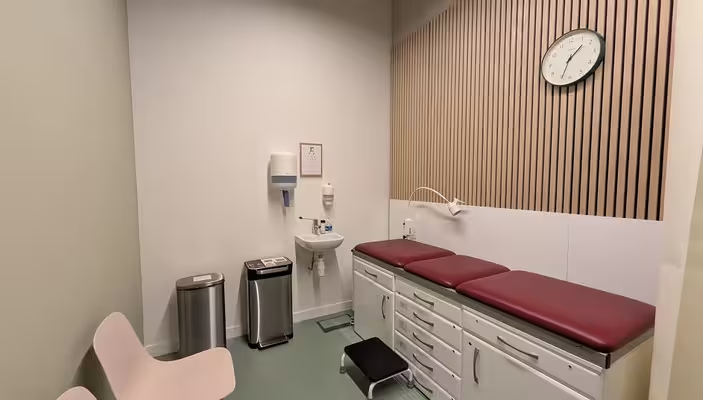
Located within The Conductor building, a 6-minute walk from Stratford station, or 3 minutes from the Westfield shopping centre.

Online GP
Speak to a GP by video or phone while you are in the UK — no app needed. Ideal for follow-ups and straightforward concerns.