
Private Herpes Testing in London
Confidential herpes testing across London, with GP advice on symptoms, timing and the right test for your situation.
Book a GP appointment if you have symptoms or need help choosing between a swab and blood test. Your GP can arrange the most appropriate test during your visit.
New to DocTap? Get £5 off
Join our newsletter and get £5 off your first booking.
Thanks — we've received your details.
If there's a next step for you, we'll send it by email.
Create your DocTap account with this email address to claim your £5 off. Offer available to new patients only. Unsubscribe whenever you like.
Test Options
Herpes Tests
Browse common herpes tests available at DocTap. To book a test, book a GP appointment and your GP will arrange the most appropriate swab or blood test during your visit.
Herpes Simplex 1&2 by PCR
Suitable only if you currently have a suspected lesion or blister.
Herpex Simplex 1&2 by PCR
Suitable only if you currently have a suspected lesion or blister.
Herpes 1&2 antibodies
This test detects if you've had Herpes in the past and is accurate when taken at least 4-6 weeks after the initial infection.
From Booking to Results
Your Appointment, Step by Step
Book a GP appointment, discuss symptoms or exposure, have the right sample taken and receive your result securely.
- 1Book OnlineChoose a DocTap London clinic and book a GP appointment. Your GP can discuss symptoms, exposure, timing and which herpes test is appropriate.
- 2Check TimingA swab is most useful when a sore or blister is visible. A blood antibody test can show previous exposure, but it may not explain a current symptom.
- 3Have Your Sample TakenIf a swab is appropriate, your GP can take a sample from the sore or blister. If a blood test is appropriate, a small blood sample is taken during the appointment.
- 4Receive Your Result SecurelyYour result is added securely to your DocTap account. Your GP can explain what it means and advise on treatment, partner notification and prevention.
Testing options
What does a herpes test check?
Different herpes tests answer different questions, so the right test depends on symptoms, exposure and timing.
Swab testing from symptoms
A herpes swab checks a sample from a visible sore, blister or ulcer for herpes simplex virus. This is usually the most useful test when symptoms are present, especially if the sore is fresh and has not already healed.
At DocTap, your GP can assess the symptoms and decide whether a swab is appropriate. If another infection could explain the symptoms, they may also discuss broader private STI testing or other investigations.
Herpes blood tests
A herpes blood test checks for antibodies. This can indicate previous exposure to herpes simplex virus, but it does not always show where the infection is, when it was acquired or whether a current sore is caused by herpes.
Blood testing can be useful in selected situations, but it needs careful interpretation. A GP can help you decide whether it is useful for your situation or whether a swab is more appropriate.
Choosing the right herpes test
The right herpes test depends on whether you have symptoms now, when symptoms started, whether there has been a recent sexual exposure and whether you have had previous results.
If you are unsure, book with a GP rather than choosing a test in isolation. You can also compare broader STI test packages and prices, but not every STI package includes herpes.
Symptoms and timing
Symptoms, transmission and timing
Herpes can cause recurring symptoms, but many people have no symptoms at all.
What is herpes?
Herpes is caused by herpes simplex virus, usually HSV-1 or HSV-2. Either type can affect the mouth, genitals or surrounding skin.
Once acquired, the virus can remain in the body and may reactivate from time to time. Some people have repeated outbreaks, while others have mild symptoms or no recognised symptoms.
What are the symptoms of genital herpes?
Symptoms can include tingling, itching, burning, painful blisters, ulcers, pain when passing urine, swollen glands or flu-like symptoms during a first episode.
Symptoms alone cannot confirm herpes. Other skin conditions and other STIs can cause similar symptoms, so an assessment and the right test are important.
How is herpes transmitted?
Herpes can spread through close skin-to-skin contact, including vaginal, anal or oral sex. It can be passed on when sores are present and sometimes when there are no obvious symptoms.
Condoms and dental dams reduce risk but do not remove it completely, because herpes can affect skin not covered by a barrier.
Is herpes an STI?
Genital herpes is considered an STI, although herpes simplex virus can also cause oral cold sores and can be transmitted through non-sexual close contact.
If your concern follows a sexual exposure, a GP may discuss private STI testing as well as herpes testing. Check STI test packages and prices before booking, because herpes is not included in every STI package. Related blood-borne STI concerns may also include hepatitis B testing or hepatitis C testing depending on what happened.
When should I test?
If you currently have a sore or blister, arrange assessment as soon as possible because swab testing is most useful while symptoms are visible.
If you do not have symptoms, a blood test may sometimes be considered, but it has limitations and can be difficult to interpret. A GP can advise whether testing now is useful or whether repeat testing may be needed.
Results and next steps
Understanding your herpes result
A herpes result can guide treatment and prevention, but it needs clinical context.
Negative swab result
A negative swab result means herpes simplex virus was not detected in that sample. This can be reassuring, but timing matters. A swab taken from a healing sore or after symptoms have settled may be less useful.
If symptoms continue or recur, your GP may advise repeat assessment during a fresh outbreak.
Positive swab result
A positive swab result means herpes simplex virus was detected in the sample. The report may also identify HSV-1 or HSV-2, depending on the laboratory method used.
Your GP can explain the result, advise on treatment and discuss how to reduce the risk of passing herpes to partners.
Blood antibody result
A positive antibody result suggests previous exposure to herpes simplex virus. It does not always show whether the infection is oral or genital, whether symptoms are current or who the infection came from.
A negative antibody result can be too early after recent exposure, so repeat testing may sometimes be discussed.
Treatment and prevention
Herpes cannot be removed from the body completely, but symptoms can be managed. Antiviral medication may shorten an outbreak, reduce discomfort and, in some people, reduce the frequency of recurrences.
Avoid sex during an outbreak or when warning symptoms such as tingling or burning are present. If outbreaks are frequent or distressing, your GP can discuss suppressive treatment during a private GP appointment and advise on onward referral where needed.
When should you seek urgent medical help?
Seek urgent medical advice if you are pregnant, immunosuppressed, have severe illness, cannot pass urine, have eye symptoms, severe headache, neck stiffness, confusion, or if a newborn baby may have been exposed.
Call 999 or attend A&E for severe or life-threatening symptoms. Do not use a routine private appointment for a medical emergency.
Clinical Quality
The Standards Behind Every Test
The clinical standards behind every DocTap sexual health test, across our London clinics.
- CQC Rated Good.
- Independently inspected and regulated by the Care Quality Commission.
- Fully GMC-Registered Doctors.
- UK-trained and experienced GPs only.
- Every Consultation Reviewed.
- Each one is checked for quality and safety, overseen by our Medical Director.
- No Sales Incentives.
- Our GPs are never paid commissions for tests or treatments.
Test Further
Related Tests and Services
Frequently Asked Questions
- Is a Swab or Blood Test Better for Herpes?
A swab is usually the most useful test when you have a visible sore or blister. A blood test checks for antibodies and is more about previous exposure than confirming a current lesion.
- How Soon After Exposure Can Herpes Be Detected?
If symptoms appear, swab testing is best while the sore or blister is visible. Antibody blood tests can take weeks to become positive, so testing too early may be misleading.
- Does a Positive Blood Test Mean Genital Herpes?
Not necessarily. A positive antibody result suggests previous exposure to HSV, but it does not always show whether the infection is oral or genital, when it was acquired or whether current symptoms are caused by herpes.
- Is Herpes Included in Every STI Screen?
No. Herpes is not included in every STI package. Check the individual STI test packages and prices before booking, or book with a GP if you need help choosing.
- Should My Partner Be Tested?
This depends on symptoms, exposure timing and results. Your GP can advise whether partner testing, treatment advice or partner notification is appropriate.
- Can DocTap Treat Herpes?
Yes. A DocTap GP can assess symptoms, arrange testing where appropriate and discuss antiviral treatment if it is suitable for you.
- Can Herpes Be Cured?
There is no treatment that removes herpes simplex virus from the body completely, but antiviral medication can help manage outbreaks and reduce recurrences for some people.
- Can I Test for Herpes Without Symptoms?
Sometimes, but it is not always useful. A blood test can show previous exposure, but it may not tell you whether a current or past genital symptom was herpes. If you have no symptoms, discuss testing with a GP first.
Ready to Book?
Book a GP appointment for herpes testing, or compare STI test options and prices.
Blood tests at DocTap
Find a convenient London clinic — including five with on-site labs for faster results

Canary Wharf
Situated by South Quay Footbridge, a 3-minute walk from Canary Wharf and Heron Quays stations.
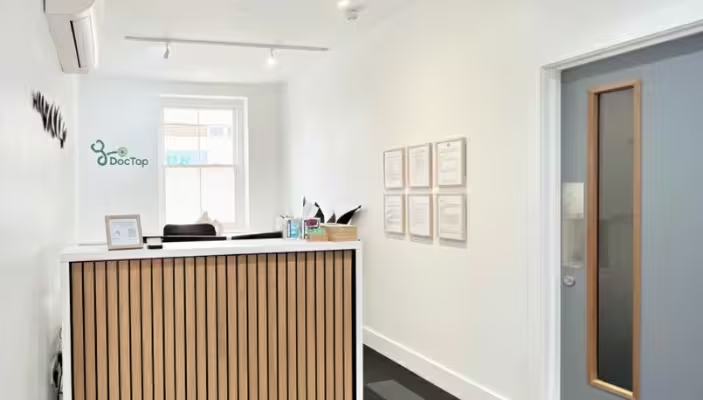
Hammersmith
Situated on King Street, a 6-minute walk from Hammersmith underground stations.
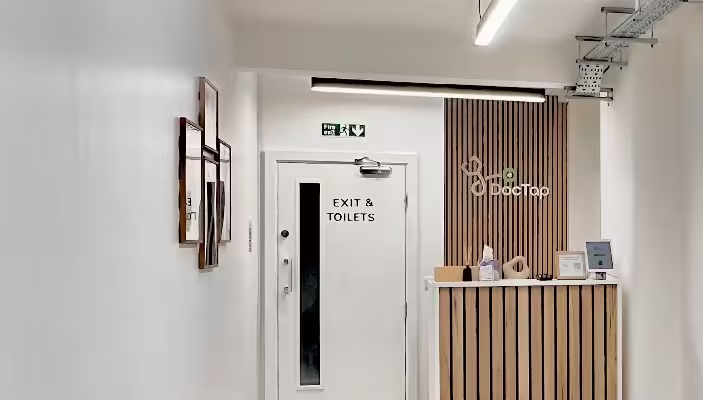
Kings Cross & Euston
Located just off Euston Road, less than a 10-minute walk from both Euston and King’s Cross stations.
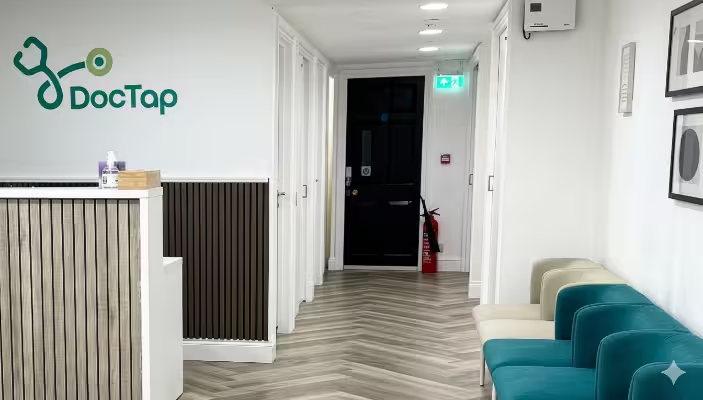
Liverpool Street & Bank
Located in the heart of the City, a 5-minute walk from Liverpool Street and Bank stations.
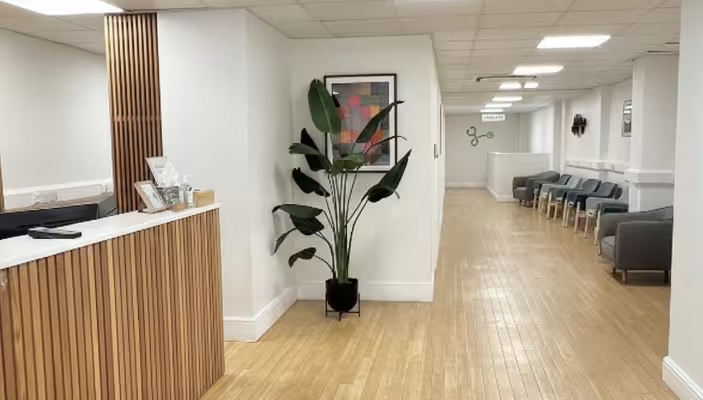
London Bridge
Located just off Borough High Street, an 8-minute walk from London Bridge station.
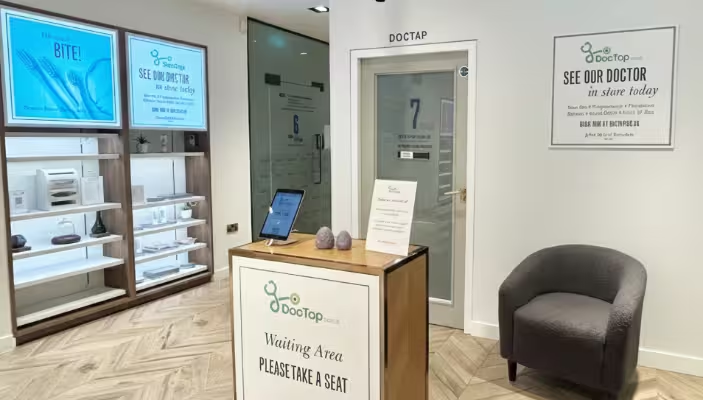
Bond Street
Located on Wigmore Street, just off Harley Street, a 7-minute walk from Bond Street station.

Clapham
Located on Clapham High Street, only a 3-minute walk from Clapham Common station.
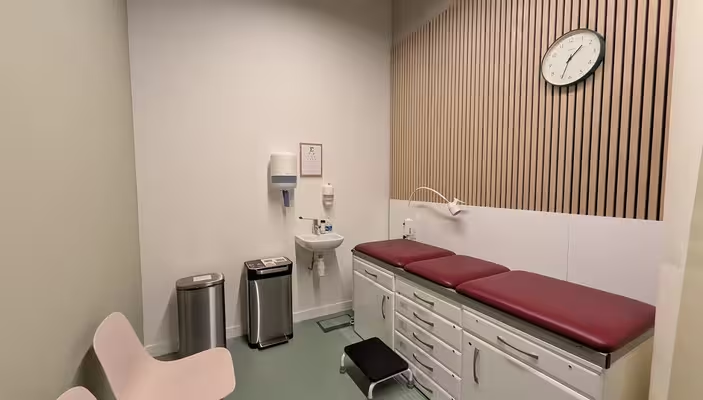
Stratford
Located within The Conductor building, a 6-minute walk from Stratford station, or 3 minutes from the Westfield shopping centre.

Online GP
Speak to a GP by video or phone while you are in the UK — no app needed. Ideal for follow-ups and straightforward concerns.